GreenGene Wellness Notes
Ashwagandha: the ancient adaptogen for modern stress
Used in Ayurveda for over 3,000 years, ashwagandha is now one of the most studied herbs for everyday stress and sleep.
Ashwagandha (Withania somnifera) is a small shrub whose root has been used in Ayurvedic tradition for thousands of years. It's known as an "adaptogen" — a plant traditionally used to help the body adapt to everyday stress.
What the studies suggest
- Several randomised, placebo-controlled studies in adults found that ashwagandha root extract, taken for 6–8 weeks, was associated with lower self-reported stress and lower cortisol (the "stress hormone") levels.
- Some trials also reported improvements in sleep quality and in how rested people felt on waking.
- In men, a few small studies suggest it may support healthy testosterone levels and strength gains when combined with resistance training.
Why it shows up in so many formulas
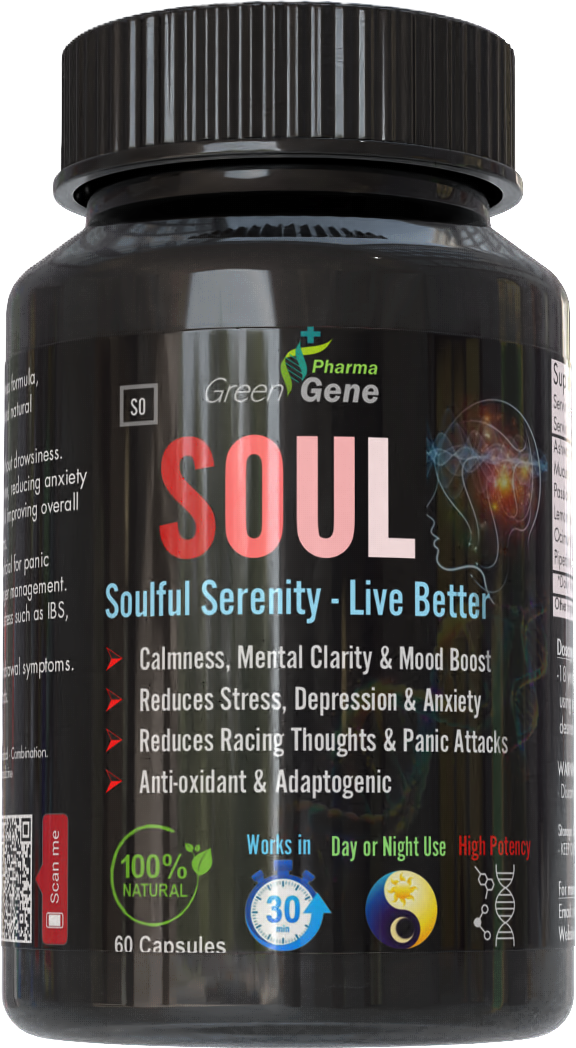
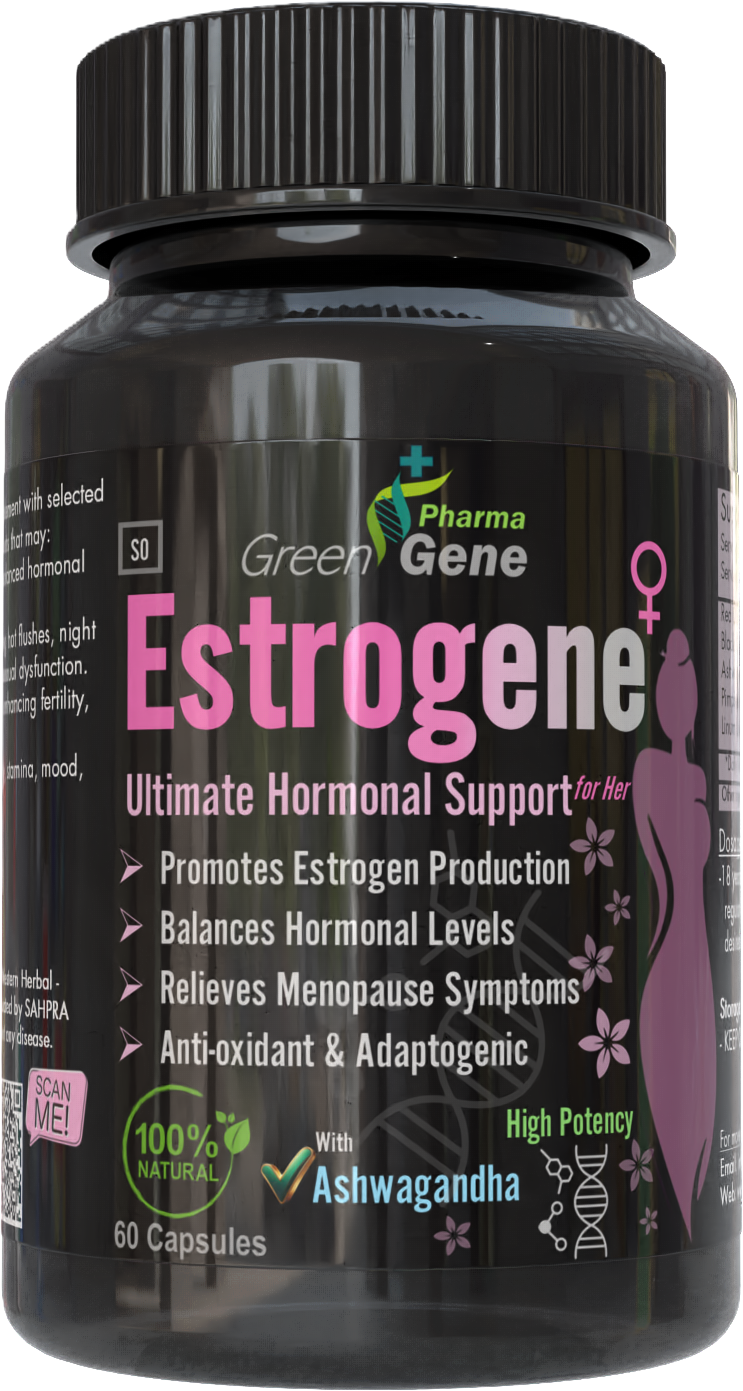
Because ashwagandha seems to support the body's overall stress response, it pairs naturally with ingredients for focus, mood, sleep, hormonal balance and performance. That's why you'll find it in several of our formulas — each combining it with different supporting botanicals.
Tips for using ashwagandha
- Be patient: most studies measured benefits after 6–8 weeks of daily use.
- Take it at the same time every day; many people prefer the evening.
- Keep up the basics — sleep, sunlight, movement and connection all help your stress response too.
Who should be careful
Ashwagandha isn't recommended during pregnancy or breastfeeding. Speak to your healthcare practitioner first if you have a thyroid or autoimmune condition, or take sedatives, thyroid medication, blood-pressure or blood-sugar medication.
Please note: This article is for general information only and is not medical advice. Our products are not intended to diagnose, treat, cure or prevent any disease, and individual results vary. Speak to your doctor or pharmacist before starting a supplement, especially if you are pregnant or breastfeeding, take medication or have a medical condition.